The Thrill of Uncertainty
The allure of casino games often lies in the thrill of uncertainty. Players are irresistibly drawn to the possibility of winning, but the outcomes are never guaranteed. This unpredictability triggers excitement and keeps players on the edge of their seats. For instance, when spinning the reels on a slot machine, a player can experience a rush of adrenaline as they await the results. This anticipation is a powerful motivator, creating a compelling environment that encourages repeated play, especially when they explore the online casino options available, as the potential for a big win looms large in their minds.
The psychological concept known as variable reinforcement plays a crucial role in this thrill. When players win sporadically, it reinforces the behavior of gambling, creating a cycle of hope and excitement. Unlike other forms of entertainment that provide a predictable outcome, casino games keep players guessing. This uncertainty makes every game feel unique and fresh, further fueling their desire to participate over and over again. Each session becomes a new opportunity, and the thought of a potential windfall can be too enticing to resist.
Furthermore, the setting of a casino itself amplifies this thrill. The sounds of spinning wheels, ringing bells of slot machines hitting jackpots, and cheering crowds create an electric atmosphere that enhances the experience. This sensory overload makes it hard for players to resist the urge to join in the excitement, often leading to longer play sessions and increased engagement in various games. The vibrant lights and the buzz of activity create an environment that feels alive, making it easy for players to lose track of time as they chase that exhilarating feeling.
The Role of Cognitive Bias
Cognitive biases significantly contribute to the addictive nature of casino games. One of the most prevalent biases is the illusion of control, where players believe they can influence the outcome of games, particularly those that involve skill, such as poker or blackjack. This belief can lead players to overestimate their abilities and make riskier bets, drawing them deeper into the gambling experience. Players often find themselves rationalizing losses, thinking that they can turn their luck around with just one more hand or spin, which can spiral into a cycle of chasing losses.
The gambler’s fallacy also plays its part; many players believe that past results influence future outcomes. For example, if a slot machine has not paid out recently, players may feel it is “due” for a win. This false logic can lead to extended periods of play, as players cling to the hope that their next attempt will yield success. Such misconceptions not only fuel addiction but also create a cycle where players continue to invest time and money in hopes of recouping losses, often leading them further into financial and emotional distress.
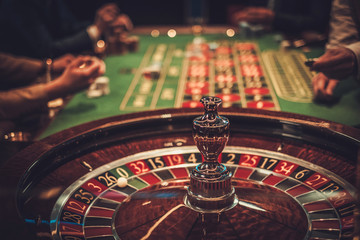
Additionally, the presence of social dynamics within casinos adds another layer to this cognitive bias. Players often observe others winning, which reinforces their beliefs about potential success. This social proof can compel individuals to gamble more than they originally intended, all in the hope of matching or exceeding the successes of those around them. The combination of individual cognitive distortions and group dynamics can create a powerful environment that keeps players returning for more, despite the inherent risks associated with gambling.
The Excitement of Competition
The competitive aspect of casino games is another factor that adds to their addictive nature. Many players thrive on competition, whether it’s against other players in games like poker or against the house in slots and table games. This competition generates a buzz that can make the experience feel more exhilarating. Players often enjoy the challenge of outsmarting their opponents or simply outperforming the odds, making every game an opportunity to showcase their skills and strategies. The thrill of competition can be intoxicating, driving players to engage in multiple sessions to improve their performance.
Furthermore, tournaments and leaderboard systems introduce an element of prestige to casino gaming. Players can track their progress, compete for prizes, and socialize with others in the community. This competitive spirit fosters a sense of belonging among players, encouraging them to engage more frequently. The chance to win a title, trophy, or significant cash prize can be incredibly motivating, amplifying the excitement associated with the games. Players often find themselves drawn back time and again, eager to test their skills against both familiar and new opponents.
Moreover, the thrill of head-to-head competition can lead to a heightened emotional state. Winning against another player can invoke feelings of euphoria and accomplishment, while losing may spur a desire for revenge or redemption. This cycle of highs and lows creates a rich emotional landscape that keeps players invested in their gaming experiences, often leading to increased frequency and duration of play, as they chase both the excitement and the chance to prove themselves in a competitive setting. The lure of beating the odds can transform casual play into an obsession.
The Impact of Game Design and Technology
Modern casino games are meticulously designed to maximize player engagement and excitement. Developers employ psychological principles, such as reward mechanisms and progressive jackpots, to create a more compelling gaming experience. Features like free spins, bonus rounds, and instant rewards keep players engaged and make them feel as though they are constantly on the brink of a big win, further solidifying their attachment to the game. The thrill of possibly hitting a life-changing jackpot adds an irresistible layer of excitement to each session.
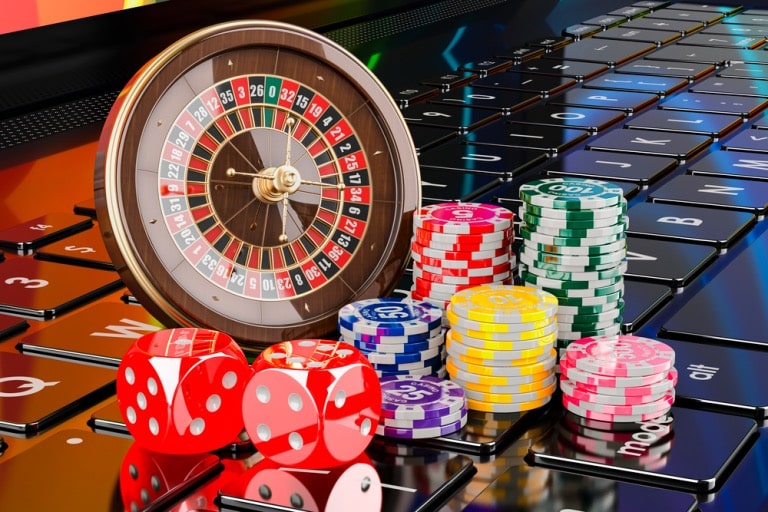
Additionally, the integration of technology into gaming enhances the excitement factor. Advanced graphics, sounds, and animations create immersive experiences that captivate players. For example, live dealer games combine the thrill of real-life interaction with the convenience of online gaming, making it feel as if players are in a physical casino. Such innovations not only attract newcomers but also keep seasoned players returning for the latest advancements in game technology, as they seek out the most engaging experiences available.
Mobile gaming has also transformed access to casino games, allowing players to enjoy their favorite games anytime, anywhere. This convenience can lead to increased playtime, as individuals can engage with games during downtime or while commuting. As players find themselves capable of gambling at any moment, the opportunity for addiction increases, driven by the constant availability of the games they love. The seamless integration of gaming into daily life can create a situation where casual play quickly escalates to more serious gambling habits.
Exploring Casino Gaming Online
The rise of online casinos has revolutionized the gaming landscape, providing a convenient platform for players to enjoy their favorite games from home or on the go. The allure of online gaming is bolstered by the plethora of choices available, ranging from classic table games to innovative video slots. This vast array ensures that players can find games that resonate with their preferences, increasing their engagement and time spent playing. The ability to explore different gaming styles and themes keeps players returning, as they seek out new experiences.
Moreover, online casinos often implement various marketing strategies, such as welcome bonuses and loyalty programs, to attract players. These incentives can make gaming more appealing, creating a sense of urgency to join and participate. Players may find themselves compelled to take advantage of limited-time offers, which can lead to extended gaming sessions that further cultivate addiction. The promise of extra credits or free spins can be a powerful motivator, drawing players deeper into the gaming world.
Furthermore, the community aspect of online gaming should not be overlooked. Many platforms incorporate social features like chat rooms, leaderboards, and multiplayer games that foster interaction among players. This social connectivity can enhance the gaming experience, making it even more enjoyable and engaging. As players forge connections with others, they may feel a greater push to continue playing, reinforcing the cycle of excitement and addiction that casino games are known for. The sense of camaraderie among players can create a rich social fabric that intertwines with their gaming habits.
