Exploring the cultural impact of casinos on global entertainment systems
The Historical Evolution of Casinos
Casinos have a rich history that dates back centuries, originating in various cultures around the globe. The concept of gambling for entertainment can be traced to ancient civilizations, where games of chance were often intertwined with social gatherings. Over time, as societies evolved, so did the structures and forms of gambling, eventually leading to the establishment of the modern casino. This evolution reflects not only changes in entertainment preferences but also shifts in cultural values regarding luck and risk. Today, many players enjoy features like Ice Fishing mobile play while engaging in these activities, combining modern technology with traditional fun.
Throughout history, casinos have been perceived differently across cultures. In some societies, they have been celebrated as centers of social interaction and leisure, while in others, they have faced scrutiny and stigmatization. The cultural significance of casinos continues to adapt, influenced by contemporary societal norms, economic factors, and technological advancements. Today’s casinos serve as both entertainment hubs and tourist attractions, contributing to the broader cultural tapestry of their regions.
The Psychological Appeal of Gambling
The allure of casinos is deeply rooted in human psychology. The thrill of chance and the potential for substantial rewards activate various brain regions associated with pleasure and excitement. This psychological engagement is a significant driver of the global gambling industry, influencing not just the behavior of players but also the design and marketing strategies of casinos. Understanding the psychological elements at play helps elucidate why people are drawn to gamble despite the risks involved, especially when they experience the engaging environments often created by themed ventures.
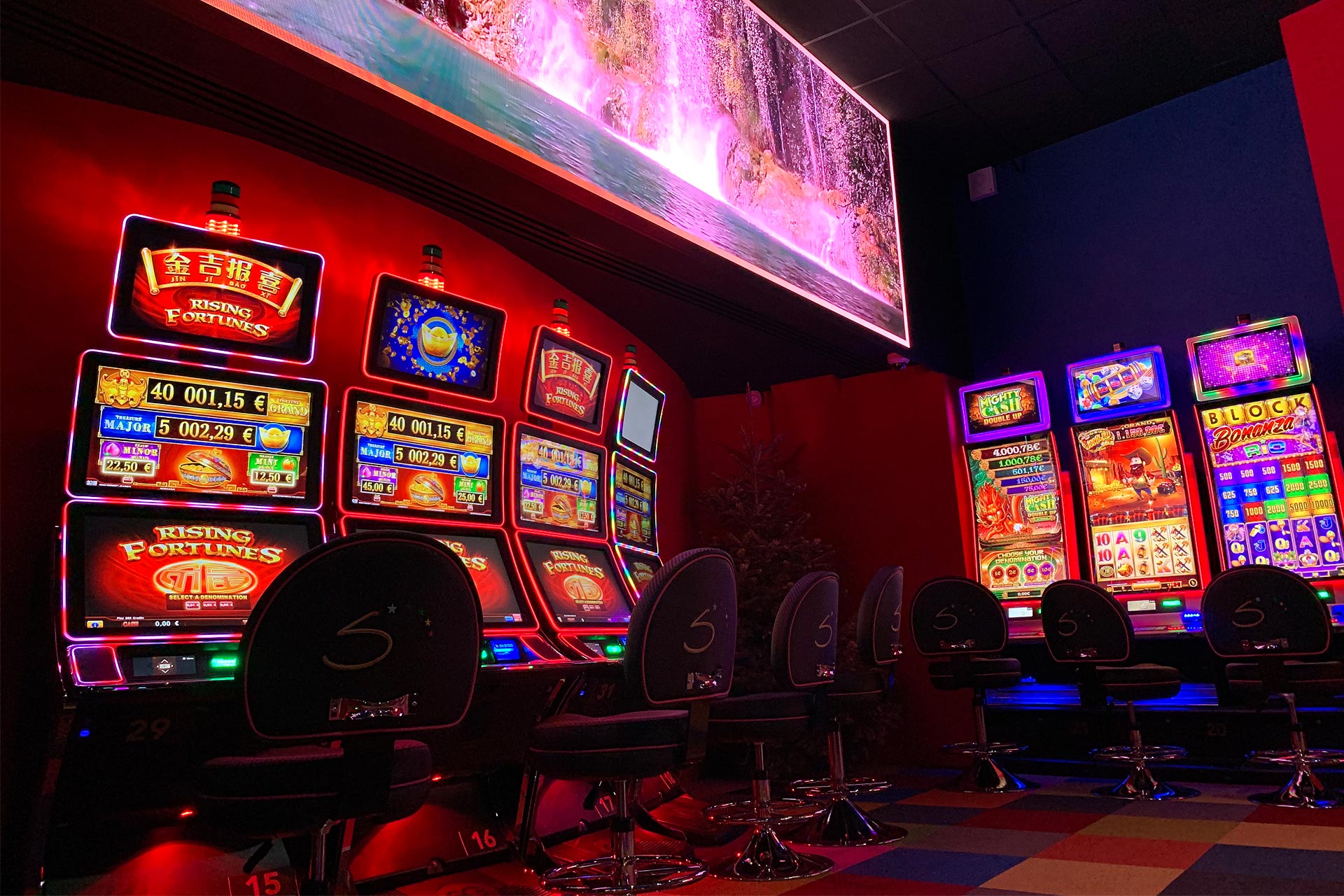
Furthermore, casinos often create an environment that enhances the gambling experience. Elements such as ambient lighting, sound effects, and even the layout of gaming areas are meticulously designed to keep players engaged. This environment stimulates a sense of euphoria and escapism, making gambling not just a game but a compelling entertainment option that satisfies deep-seated emotional needs.
Cultural Variations in Casino Entertainment
The entertainment provided by casinos varies significantly across cultures, reflecting local traditions and values. In Las Vegas, for example, casinos blend luxury, high-stakes games, and extravagant shows, creating a unique entertainment experience that attracts millions. In contrast, Asian casinos often incorporate elements of traditional games and rituals, providing a culturally resonant experience that appeals to local and international visitors alike.
These cultural variations underscore the flexibility and adaptability of casinos within the global entertainment framework. They not only offer games of chance but also serve as platforms for cultural expression, showcasing local music, dance, and cuisine. This intertwining of culture and entertainment enhances the overall experience and promotes a deeper appreciation of the region’s heritage.
The Economic Influence of Casinos
Casinos play a significant role in the economies of many regions, generating revenue and creating job opportunities. The economic impact of casinos extends beyond their immediate operations, as they often stimulate tourism and local businesses. Cities that embrace casinos frequently see an increase in visitors, boosting not only their hospitality industries but also retail and entertainment sectors.
Additionally, the tax revenue generated from casinos can contribute to public services and infrastructure development, benefiting the broader community. This economic dimension elevates the importance of casinos in discussions about urban planning and development, as policymakers weigh the pros and cons of integrating gambling establishments into their cities.

Conclusion: The Role of Casinos in Contemporary Culture
As a dynamic facet of modern entertainment, casinos continue to shape cultural landscapes worldwide. Their influence extends beyond mere gambling; they reflect societal values, provide economic benefits, and offer diverse entertainment options that cater to a wide array of audiences. The interplay between culture and casino entertainment highlights the complexity of human behavior and social interaction in contemporary society.
In a world where leisure options are ever-expanding, casinos remain a significant player in the global entertainment system, continually evolving to meet the desires and expectations of their patrons. Understanding this cultural impact allows us to appreciate the multifaceted roles casinos play, making them an enduring topic of interest in the realm of entertainment studies.
